Brand identity design and brand book
A brand identity, or corporate identity, is the set of visual elements and rules that make a brand recognisable on any touchpoint: logo, colours, typefaces, graphics and illustration. We design it from scratch or build a system around an existing logo, and hand over a guide your designers and contractors can follow without us. A visual identity starts at $1,500.
What visual identity, a brand book and brand guidelines are
A visual identity is a system, not just a logo: the logo and its versions, a palette, typefaces, graphic elements and patterns, illustrations or a mascot, and the rules for combining them. “Corporate identity” and “brand identity” are used for the same thing; “visual” stresses that we’re talking about how the brand looks rather than its name and positioning.
A brand book describes the whole brand: positioning, character, tone of voice and visual rules. Brand guidelines are its practical part: how to use the logo, colours, typefaces and layouts. To get started, guidelines are usually enough. The Serund brand book, for example, sets out clear space, minimum sizes and what not to do with the mark, and includes a full set of files from the app icon to link previews.
The system is there so the brand looks the same whoever makes the layout. Minimal Burger has one colour accent — a mustard stripe in the mark — and the rest of the identity is charcoal and kraft; Yugo-Vostok uses six patterns instead of photos on its touchpoints. Once decisions like these are made and written down, a new touchpoint is assembled from ready elements instead of being invented again.
When you need it
- You have a logo, but your business card, social posts and sign look like three different companies.
- You’re starting a business from scratch and need a name, positioning and identity at once.
- Your brand blends in with competitors: the same colours, typefaces and symbols as everyone else in your niche.
- You’re launching delivery, a new line or a new location, and it needs its own style within the main brand.
- Designers and contractors keep asking which typeface and colour you use, because the rules aren’t written down anywhere.
- Your brand works in two alphabets, and the Cyrillic and Latin versions of the name don’t look like they belong together.
What’s included
- Research into the market, competitors and audience, and a positioning statement.
- A concept and two or three identity directions to choose from, shown on your touchpoints.
- The logo and its versions, a palette, typefaces with full Cyrillic support, graphic elements and patterns.
- Illustrations or a mascot if the brand needs them, drawn together with illustrators.
- Touchpoints from an agreed list: business cards and envelopes, icons and avatars, social media templates, signage, staff uniform, merch.
- Brand guidelines: clear space, minimum sizes, colour and type combinations, what not to do with the mark.
- Source files for print and digital.
Pricing
- Visual identityfrom $1,500
Logo, colours, typefaces, graphic elements, social media templates and a short guide with the rules.
- Identity with packagingfrom $3,000
The identity, an original illustration or mascot, packaging and touchpoints with print-ready files.
The price depends on the number of touchpoints, how complex the illustration is and whether you need a detailed brand book or a short guide is enough. Printing, font licences and photography are paid separately, and we name them before we start. If you only need a logo, it starts at $500. We give an exact quote after a brief.
How we work
01. Brief and research
We look at the business, the audience and competitors and agree the positioning and the list of touchpoints.
02. Identity directions
We show two or three directions with examples on your touchpoints and choose one together.
03. System and touchpoints
We finalise the logo, palette, typefaces and graphics and apply the identity to the agreed touchpoints.
04. Guidelines and files
We write down the rules and hand over files for print and digital, so future layouts can be made without us.
What we’ve done
All work-

A brand for a tech-driven food delivery service: calm confidence instead of shouting
The logo is set in Greta, a text serif: the serifs signal reliability, and the italic i with a star is the moment of joy when the order arrives.
View case: Fudis -

An identity for a family memory platform: a wordmark where one letter continues another
The idea of “continuing each other”: the curve of the u becomes the curve of the n. Each letter keeps its own character, but one line joins them, like one person’s story becoming part of what the whole family knows.
View case: Serund -

An identity for a Chinese restaurant: a pagoda roof, a classic serif and a master’s seal with the character for “wing”
The main image is a pagoda roof. The eaves curve up so their ends resemble wing tips: one line speaks of China and of the signature dish.
View case: Dynasty Wing -
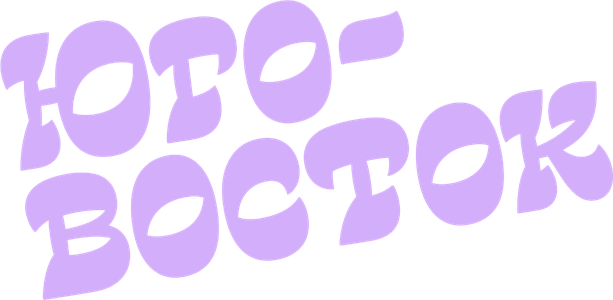
An identity for an online pan-Asian restaurant: lively lettering, a stack of bowls and six patterns
The logo is lively lettering based on CoFo Chimera: the letters dance like the signs of street cafés but stay legible.
View case: Yugo-Vostok -

An identity for Korean chicken wings delivery: a chicken drawn from the taegeuk and a pattern of the flag’s trigrams
The starting point is the name itself. In Korean, fried chicken is literally 프라이드 치킨, “peuraideu chikin”. We gave the name back its Korean spelling, which sits next to the logo on every touchpoint.
View case: Fried Chicken
Frequently asked questions
What is a brand identity, in simple terms?
It’s the set of elements and rules that make a brand recognisable at first glance: logo, colours, typefaces, graphics and illustration. A strong identity is recognisable even without the logo — by its colour, pattern or character.
What are the elements of a brand identity?
The logo and its versions, a colour palette, typefaces, graphic elements and patterns, illustrations or a mascot, and the rules for using them. The Dynasty Wing identity, for example, has a red seal with the Chinese character for “wing” that works as a sticker, and a gold meander pattern for packaging and menus.
What are brand touchpoints?
Everything where the brand meets people: business cards and envelopes, the app icon and avatars, social media templates, signage, packaging, staff uniform, merch and outdoor ads. For Fudis the list also includes couriers’ thermal bags.
What is a brand book, and how is it different from brand guidelines?
A brand book describes the whole brand — positioning, character, tone and visual rules. Brand guidelines are the practical visual part: how to place the logo, which colours and typefaces to use, how to build layouts. Our visual identity package includes a short guide; a detailed brand book is quoted separately.
Is corporate identity the same as brand identity?
In practice, yes: designers use corporate identity, brand identity and visual identity interchangeably.
How much does brand identity design cost?
A visual identity with a logo, colours, typefaces, graphics, social media templates and a short guide starts at $1,500. With an original illustration or mascot, packaging and touchpoints it starts at $3,000. We give an exact quote after a brief.
Can you make a brand book for an existing identity?
We can discuss it: if you already have a logo and style but the rules aren’t written down, we’ll work out at the brief what needs describing and quote it separately. Sometimes it turns out the identity needs work first, and we’ll tell you so.
More in Branding and identity
-
Logo design services
A logo is the way your name is written, or the symbol, that people recognise on a sign, on packaging, in an app icon and in a social media feed.
-
Packaging design
Packaging design isn’t one beautiful box but a system of touchpoints that makes an order recognisable before anyone opens it: boxes, bags, stickers, tape, cups, tray liners and menus.
What shall we build together?
Tell us what you want to launch or improve. We’ll discuss the task and suggest the next step.